-
The male Nkisi figure has the recognizable "V- shaped" face of Songye design. The semi-circular eyes have high arching eyelids that reflect the downward point of the triangular mouth. Atop the head is an elaborate coiffure, with white kaolin residue, created by several vertical incised lines. Protruding from the head is a tube-like element for inserting items with medical or ritual properties. The figures arms hold the stomach, where the navel has been hollowed out. The legs are stocky and rest on a mound of wood from which the figure was carved. The Nkisi serves as a community figure, resolving conflicts, and protecting the community from harm.
-

The zoomorphic Baule mask is patinated to create a dark surface. The facial features are softly carved, with a slender nose, small closed mouth and large closed eyes. Three lines wrap around the crest of the forehead, forming the coiffure. Atop the head of the mask are two large, ribbed horns angling slightly inwards at the tips. The mask may represent the Kpan Pre, which signifies the senior female in Baule ceremonies. The Kpan Pre is part of a group of masks called the Goli, which function as family.
-

Standing male ancestral figure carved of wood of the Hemba style. The crossed, overlayed wood of the coiffure is recognizable of the Hemba style, along with the facial features and false beard patterning along the chin. Defined clavicles angle inwards towards the center of the chest. Below, arms rest on the abdomen on either side of a pronounced navel.
-

Standing male figure with a round, porous protrusion on the abdomen. The figure is coated in a dark patina, with a stylized coiffure of raffa rope. Iron pins decorate the body and face, along with rope wrapped around the waist and neck covered in the dark patina. The face has a round forehead that reaches beyond the flatter, frontal facial plane.
-

Large mask carved of wood, painted black and white with kaolin pigment. Small circular holes around the edges to attach additional elements such as raffia. The mask has incised lines on the horns and inlaid shells for the eyes. A lizard relief sculpture rests in the center of the head, at a slightly higher relief. The buffalo symbolizes strength and determination in Luba society, and the masker was to obtain those characteristics during ritual practices when wearing the mask.
-

Carved male standing figure with hands holding a long, patterned beard and stylized adornment on the top of the head. The sculpture may represent an ancestral figure, or leadership figure within the Kusu society. The geometric, detailed patterning of the beard is a stylistic references to textile works, and other works of the Kusu, Luba and Hemba styles.
-

A bronze zoomorphic figurative sculpture made through the lost wax technique. The vessel is comprised of a rounded base and four small holes on surface, with a long stem topped with an avian head. A cross hatched pattern wraps around the rounded base, along with decoration on the stylized avian figure.
-

A darkly patinated, wooden Biombo helmet mask with two horns curving forward. The mask is decorated with geometric shapes that resemble scarification patterns. Surrounding the horns are incised lines representing a hairstyle, forming a hatched pattern. The narrow eyes and rounded lines arching over the sockets, along with the shape of the mouth and scarification are common motifs of the Biombo style.
-

the large mask carved of wood, was originally worn with a long woven beard and raffia bast. This mask is Identifiable as a female kifwebe mask due to the lack of high comb extending over the center of the head, the usage of white and black kaolin, and grooved patterning on the face. The predominant use of white kaolin symbolizes purity, goodness and health, reproductive capacity, peace and wisdom. The role of the female kifwebe mask was connected to the lunar cycle and the death and investiture of chiefs.
-

Standing figure with a long torso and arms resting on its side. The figure is decorated through carved patterning on the legs and head, along with beads wrapped around the waist and neck. The face is comprised of hollow, round eyes and an oval mouth, with a narrow nose at a higher relief. Metal pins are set around the head, and a small hole is present on the flat plane on the top of the head. This standing female figure may represent Nabo, one of the messengers of the deity Gale. Nabo figurines are placed in family altars as protection from hardship alongside the Seto, male figure. The scarification patterns, beads and decoration on the head are all reflective of the aesthetics of fertility figures.
-

The mask is known as Mwana Ngulu, representing a domesticated pig. There is a coin on top of the head with an inscription, potentially regarding familial connection. The back of the head is full of fabric strands that are covered in other materials that remain from ceremonies. The Mwana Ngulu mask is used in coming of age rituals, or the passage into adulthood in the Chokwe society. The masker aims to portray a domesticated pig through dance; some Mwana Ngulu masks are created to have voice modifying qualities that allow the masker to sound like the animal.
-

The mask is carved of wood, adorned with various elements such as an ornate coiffure, metal earrings, and carved symbols on the face. The mask is recognized as Chokwe by its half closed eyes, slender nose, hemispherical ears and facial carvings. The female Pwo, or Mwana Pwo mask was to be worn my a male masker, in a performance celebrating one's transition and initiation into adulthood. The carving on the forehead is a common motif, believed to be a cosmogram. The designs under the eyes signify tears, as the ceremony is highly emotional.
-

Wooden and metal Bwoom Mask with a bulging forehead and blindfolded eyes. The mask is fitted with large nostrils for the masker to see through at a diagonal angle. A long false beard is attached to the mask, decorated in cowrie shells and beads. The Bwoom mask is worn in rituals detailing the origin myths of the Kuba Kingdom. In these rituals the Bwoom mask is accompanied by masks of the creator of the dynasty, Woot, and his spouse. Bwoom may represent either the younger brother of Woot, or a commoner within the society.
-
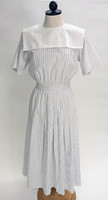
Janina + Nancy Swiaki Collection
-
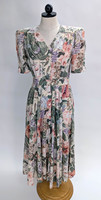
Janina + Nancy Swiacki Collection
-
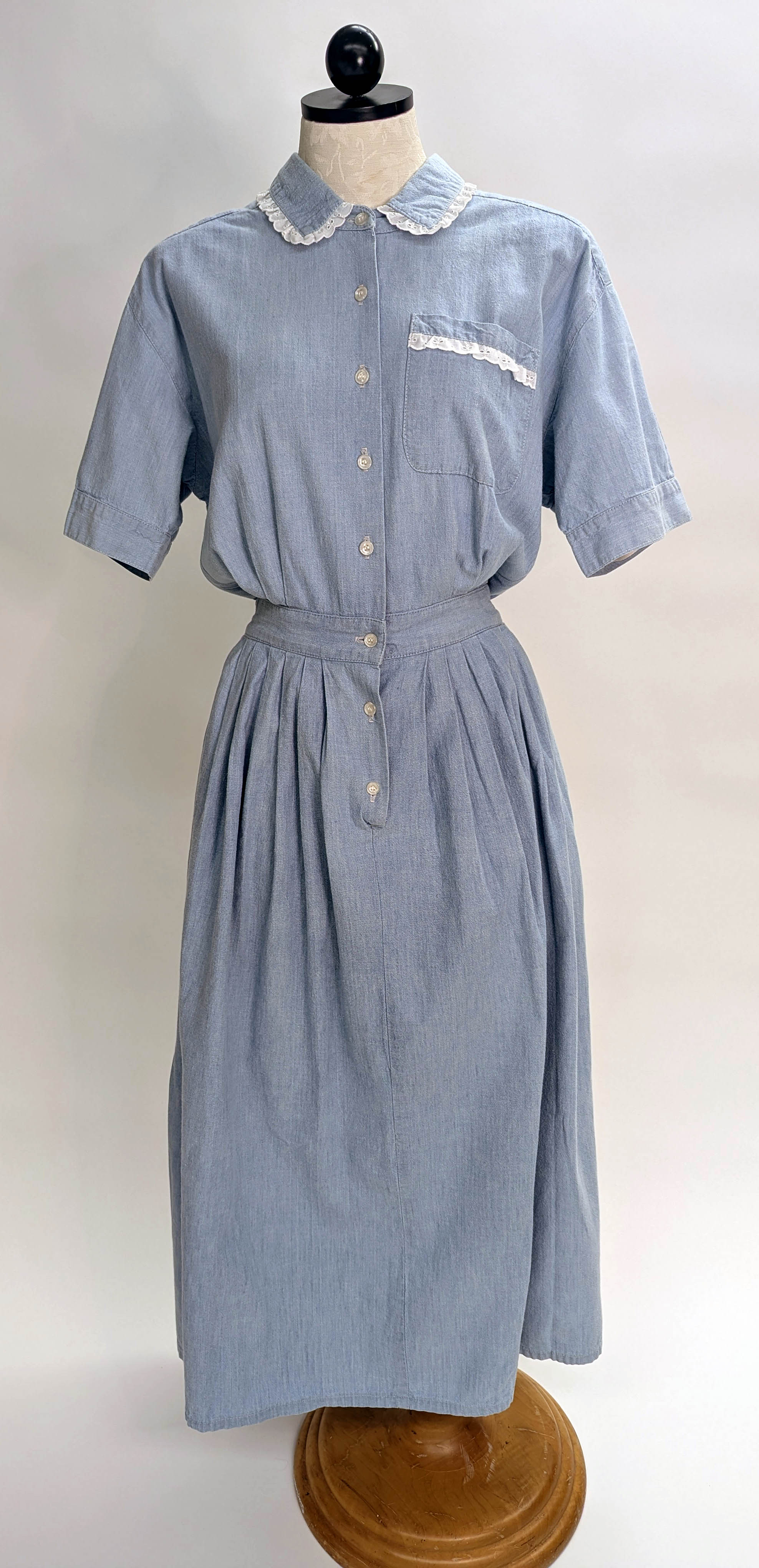
Janina + Nancy Swiacki Collection
-
Janina + Nancy Swiaki Collection
-
Student having SRS experiences sexual harassment from a professor
-
Properative Transexual Woman
-
Transexual Seeking Estrogen
-
Murder Case
-
-
-
-